The Infrared Sauna: A Complete Guide to Gentle Heat Therapy
Everything you need to know about infrared saunas: how they work, what the science says, and how to build a practice that fits your life.
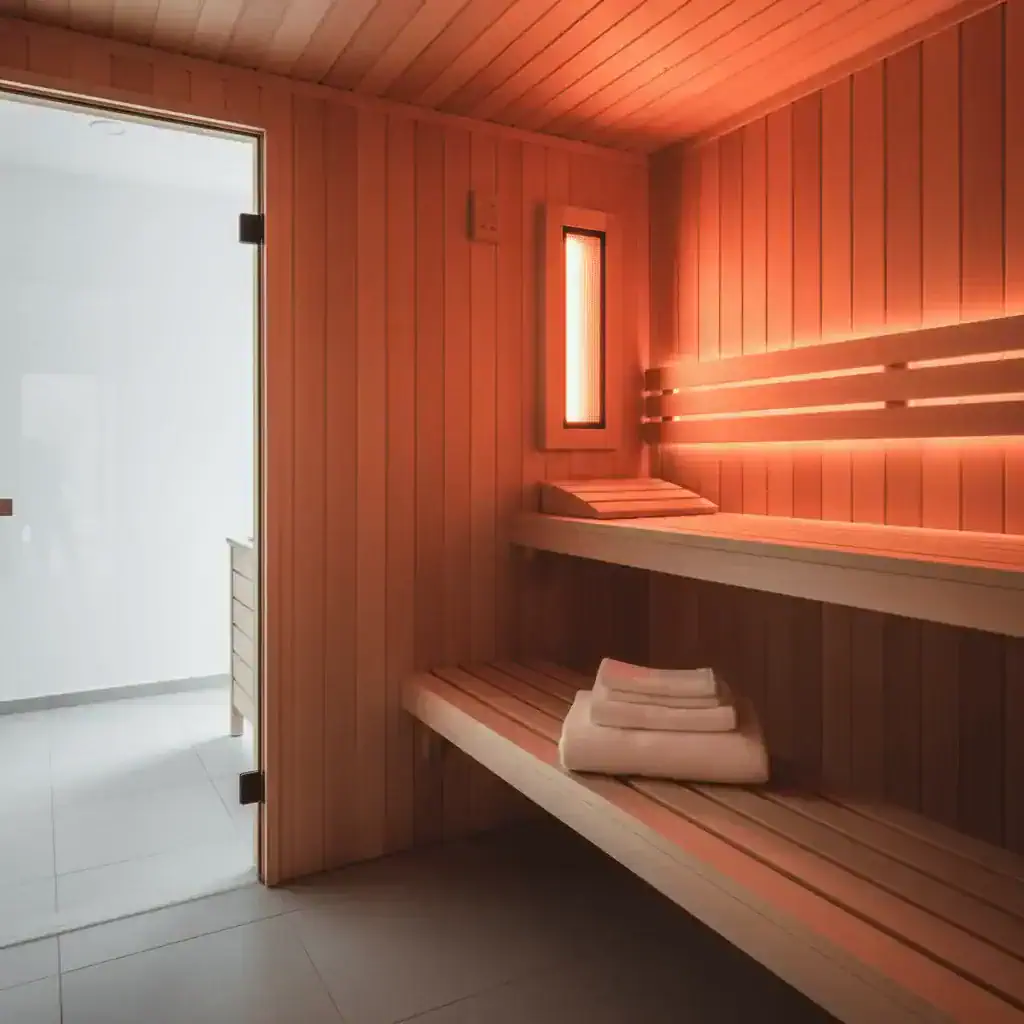
The Infrared Sauna: A Complete Guide to Gentle Heat Therapy
There is a quiet revolution happening in basements, spare bedrooms, and apartment corners around the world. People who never thought they could handle a sauna are discovering the infrared alternative: lower temperatures, longer sessions, and a gentler path into the world of deliberate heat exposure.
If you have tried a traditional Finnish sauna and found it overwhelming, or if you simply want a more accessible way to incorporate heat therapy into your routine, this guide is for you.
What Makes Infrared Different
Walk into a traditional sauna and the air hits you like a wall. At 180 degrees Fahrenheit, every breath reminds you where you are. Walk into an infrared sauna and the experience is surprisingly... calm. The air temperature might only be 130 degrees. You wonder if something is broken.
It is not. The technology simply works differently.
An infrared sauna does not heat the air around you. Instead, panels emit infrared light waves that penetrate your skin and warm your body directly. Think of it like standing in sunlight on a cool autumn day: the air is brisk, but you feel warmth on your skin.
This fundamental difference creates an entirely different experience:
| Traditional Sauna | Infrared Sauna |
|---|---|
| Air temperature: 160-200°F | Air temperature: 110-140°F |
| Your lungs feel the heat | Breathing remains comfortable |
| Sessions: 15-20 minutes typical | Sessions: 30-45 minutes typical |
| Intense, immersive experience | Gentle, approachable warmth |
| Requires dedicated space and power | Plugs into standard outlet |
Neither is better. They are different tools for different situations and different temperaments.
The Science: How Infrared Light Heats Your Body
Infrared light exists on the electromagnetic spectrum between visible light and microwaves. You cannot see it, but you feel it as warmth. The sun produces infrared radiation, which is why you feel warm in sunlight even when the air is cold.
Infrared saunas typically use far-infrared (FIR) wavelengths, which penetrate 2-4 centimeters into the body. This depth reaches subcutaneous tissue and can warm muscles directly rather than relying on heated air to warm your skin first.
The Three Types of Infrared
Near-infrared (NIR): Shortest wavelength, shallowest penetration. Some research suggests benefits for skin health and cellular energy production. Often marketed alongside red light therapy.
Mid-infrared (MIR): Moderate penetration. May help with soft tissue recovery and circulation.
Far-infrared (FIR): Deepest penetration. The most common and most studied type in infrared saunas. This is what most infrared saunas primarily use.
Some manufacturers offer "full-spectrum" saunas that combine all three types. Whether this provides additional benefit over far-infrared alone remains unclear from current research.
What the Research Shows
The evidence base for infrared saunas is growing, though it remains smaller than the decades of Finnish research on traditional saunas.
Cardiovascular Effects
A 2009 systematic review examined clinical studies on far-infrared saunas and found improvements in blood vessel function and reductions in blood pressure. Type 2 diabetics in one study showed a 6.4 mmHg reduction in systolic blood pressure after regular infrared sauna use.
A 2021 crossover trial comparing infrared sauna bathing to exercise found similar improvements in blood pressure, arterial stiffness, and heart rate variability. The researchers suggested infrared saunas might offer cardiovascular benefits comparable to moderate exercise for those unable to exercise.
Chronic Pain and Fatigue
Infrared saunas have shown promise for conditions involving chronic pain:
- A study on chronic fatigue syndrome found that 4 weeks of daily infrared sauna sessions (at 60°C) improved fatigue severity, anxiety, and depression scores
- Research on fibromyalgia patients showed reductions in pain levels after infrared sauna treatment
- Chronic low back pain patients reported significant pain reduction with regular sessions
Mental Health
Emerging research suggests infrared heat exposure may benefit mood and psychological wellbeing:
- A controlled trial found that whole-body hyperthermia (raising core temperature) produced antidepressant effects lasting up to 6 weeks
- The mechanism may involve the release of beta-endorphins and the activation of serotonin pathways
- Regular sauna users consistently report improvements in subjective wellbeing and stress levels
The Honest Caveat
Most infrared sauna studies are small, short-term, and often funded by industry. The landmark 20-year Finnish longevity studies that showed 40% reduction in all-cause mortality were conducted with traditional saunas at high temperatures (80-100°C).
We cannot assume infrared saunas provide identical long-term benefits. However, both methods elevate core body temperature, trigger heat shock protein production, and stimulate cardiovascular adaptation. The mechanisms are likely similar, even if the intensity differs.
Building Your Infrared Practice
The Beginner Protocol
If you are new to infrared saunas, start here:
Week 1-2:
- Temperature: 110-120°F (43-49°C)
- Duration: 15-20 minutes
- Frequency: 2-3 sessions
Week 3-4:
- Temperature: 120-130°F (49-54°C)
- Duration: 25-30 minutes
- Frequency: 3-4 sessions
Week 5+:
- Temperature: 130-140°F (54-60°C)
- Duration: 30-45 minutes
- Frequency: 4-5 sessions
Listen to your body. Some people naturally prefer longer, cooler sessions. Others prefer pushing toward higher temperatures. There is no single correct approach.
Timing Your Sessions
Morning: An infrared session can be an energizing start to the day. The gentle heat warms your muscles and prepares your body for movement. Some users report improved focus and reduced morning stiffness.
Afternoon: A natural energy dip hits most people around 2-3 PM. A brief infrared session can reset your alertness without the crash that follows caffeine.
Evening: Here is where infrared saunas offer an advantage over traditional saunas. The lower intensity means less disruption to your body's natural temperature regulation before sleep. Many users find evening sessions deeply relaxing.
If using your sauna in the evening, finish at least 90 minutes before bed to allow your core temperature to begin dropping naturally.
What to Do During Your Session
Unlike traditional saunas, where the intense heat commands your full attention, infrared sessions leave mental bandwidth available. You have options:
Meditation and breathing: The warmth can deepen relaxation practices. Focus on slow exhales and let your shoulders drop.
Reading: Many infrared sauna users read during sessions. The lower temperature keeps the environment comfortable enough for concentration.
Stretching: Gentle stretches in heated muscles can improve flexibility. Nothing strenuous, just easy movements.
Simply sitting: There is value in doing nothing. Let your mind wander. Stare at the wood grain. This is permission to be still.
Listening: Podcasts, audiobooks, or music can make longer sessions feel shorter.
Maximizing Your Experience
Before Your Session
- Hydrate: Drink 8-16 ounces of water in the hour before your session
- Shower: Clean skin sweats more efficiently. Remove lotions, makeup, and sunscreen
- Wear minimal clothing: Loose shorts or swimwear is ideal. Some people prefer using the sauna nude
- Prepare your space: Towels for sitting on and wiping sweat, water bottle within reach
During Your Session
- Start with the door slightly open if you feel overwhelmed. You can close it as you acclimate
- Sit upright or recline depending on your sauna's design. Most of the heat comes from the panels behind you
- Move if needed. If one area feels too hot, shift your position
- Drink water regularly. Small sips throughout the session help maintain hydration
After Your Session
- Do not rush. Sit for a few minutes and let your heart rate normalize
- Rinse off. A cool or lukewarm shower removes sweat and salt from your skin
- Rehydrate. Drink another 8-16 ounces of water. Add electrolytes if you sweated heavily
- Rest. Give yourself 15-20 minutes before intense physical or mental activity
Who Benefits Most from Infrared
Infrared saunas are particularly well-suited for:
Heat-sensitive individuals: If traditional saunas feel suffocating or trigger anxiety, infrared offers a gentler entry point. You can build heat tolerance gradually.
People with respiratory concerns: The lower air temperature and minimal humidity make breathing easier. Those with asthma or COPD often find infrared more tolerable.
Renters and apartment dwellers: Standard electrical outlets, compact footprints, and no ventilation requirements make infrared saunas apartment-friendly.
Those recovering from injury: The gentle heat can support recovery without the intensity that might aggravate certain conditions. Athletes use infrared on rest days.
Chronic pain sufferers: Research suggests benefit for conditions like fibromyalgia, chronic fatigue, and musculoskeletal pain.
Anyone who wants to use a sauna more frequently: The lower barrier means you might actually use it 4-5 times per week instead of 1-2.
Practical Considerations
Space Requirements
Most 1-2 person infrared saunas fit in a 4x4 foot footprint. They can go in:
- Spare bedrooms
- Basements
- Garages
- Large bathrooms
- Covered patios or sunrooms
Unlike traditional saunas, most infrared models require no special ventilation. They plug into standard 110-120V outlets. Some larger units require 220V, so check specifications before purchasing.
EMF Concerns
Electromagnetic field (EMF) emissions have become a marketing focus in the infrared sauna industry. All electrical devices produce some EMF. The question is whether levels in infrared saunas are concerning.
Quality manufacturers now provide third-party EMF testing. Look for units with EMF levels below 3 milligauss (mG) at body distance. For context, a hair dryer at 6 inches produces 300+ mG.
If EMF concerns you, look for low-EMF certified units. Most reputable manufacturers now offer them.
Maintenance
Infrared saunas require minimal maintenance:
- Wipe down benches and backrest after each use
- Clean the glass door weekly with a non-abrasive cleaner
- Vacuum the floor periodically
- Check heating panels annually for any damage
The infrared panels themselves rarely fail and typically carry 5-7 year warranties.
When to Choose Traditional Instead
Infrared saunas are excellent tools, but they do not replace traditional saunas for everyone.
Choose traditional if:
- You want the authentic Finnish experience with steam (loyly)
- You have access to 220V power and permanent installation space
- The longevity research specifically motivates you (those studies used traditional saunas)
- You enjoy the intensity and find it meditative
- You want the social experience of larger, walk-in saunas
Choose infrared if:
- You find high heat uncomfortable or overwhelming
- You want quick heat-up times and lower operating costs
- You rent or may move soon
- Your space or electrical setup limits traditional installation
- You prefer longer, gentler sessions
Both types elevate core body temperature and trigger beneficial physiological responses. The best sauna is the one you will actually use regularly.
Frequently Asked Questions
How long until I see benefits?
Acute effects like relaxation and improved mood occur immediately. Cardiovascular adaptations may take 2-4 weeks of consistent use. Chronic pain improvements in studies typically emerged after 2-4 weeks of regular sessions.
Can I use an infrared sauna every day?
Yes, daily use appears safe for healthy adults. Many people use their infrared sauna 5-7 days per week. Start with 3-4 sessions weekly and increase if you feel good.
Should I avoid infrared saunas after exercise?
Unlike cold exposure, heat does not appear to blunt muscle growth when used post-workout. An infrared session after training may support recovery. Some evidence suggests combining exercise with heat exposure enhances BDNF production.
Is sweating in an infrared sauna different from a traditional sauna?
You may notice you sweat more slowly in an infrared sauna because the air temperature is lower. However, total sweat volume over a longer session is often comparable. The composition of sweat is essentially the same: mostly water with electrolytes.
Can infrared saunas help with weight loss?
Saunas temporarily increase heart rate and caloric expenditure, but this is not a meaningful weight loss strategy. Any immediate weight loss is water weight that returns with rehydration. The real benefits are cardiovascular and psychological, not caloric.
Is infrared sauna safe during pregnancy?
Most sources recommend avoiding saunas during pregnancy due to the risks of elevated core temperature, particularly in the first trimester. Consult your healthcare provider for personalized guidance.
Final Thoughts
The infrared sauna has opened heat therapy to people who never thought it was for them. If you have looked at traditional saunas and thought "that is not for me," infrared might be exactly what you need.
The gentler temperatures. The comfortable breathing. The longer, more meditative sessions. These are not compromises; they are features. Different circumstances call for different tools.
Start where you are. Fifteen minutes at 120 degrees. See how it feels. Build from there. The goal is not to prove anything to anyone. The goal is to find a practice that fits your life and keeps you coming back.
Close the door. Let the warmth find you. This is your time.
Want more guidance on building a sustainable heat practice? Step inside and join thousands who receive our Thursday letter on why heat heals, where to find it, and five minutes of stillness.