Sauna as Sacred Space: The Forgotten Spiritual Practice
Discover the meditative and spiritual dimensions of sauna bathing. From Finnish löyly traditions to Native American sweat lodges, learn how heat becomes ceremony.
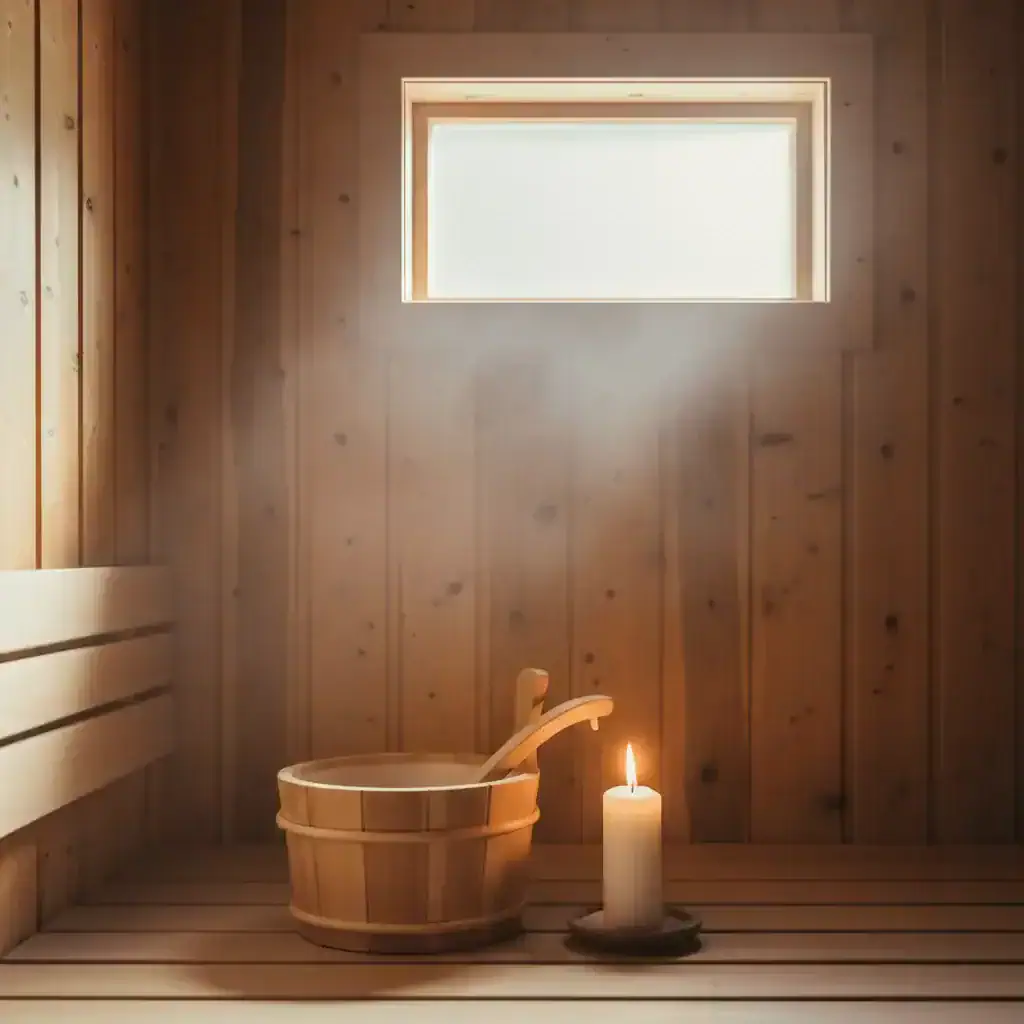
Sauna as Sacred Space: The Forgotten Spiritual Practice
Before the sauna became a biohack, it was a temple.
For thousands of years, cultures around the world have used heated enclosures not just for physical cleansing, but for something harder to measure: spiritual renewal, communion with the divine, and the kind of deep stillness that modern life seems designed to prevent.
The Finns spoke of löyly, the spirit of the steam. Native Americans entered the sweat lodge for vision and purification. Russian banya was where you cleansed not just your body but your soul before holy days. Japanese sento was ritual before it was routine.
Somewhere along the way, we forgot. We kept the heat but lost the sacred.
This guide is about remembering.
The Original Purpose: Heat as Ceremony
When you strip away the heart rate monitors and optimization protocols, you find something older. Something that does not require explanation because it is felt.
The Finnish Tradition: Löyly
In Finland, the sauna was the holiest room in the house. Babies were born there. The dead were prepared for burial there. It was where you went to be quiet with yourself, with family, with the essence of things.
The word löyly refers to the steam that rises when water is thrown on hot stones. But it means more than steam. It is the breath of the sauna, its spirit, the moment when water transforms into something that touches you differently than air or water alone.
Traditional Finnish sauna practice was never rushed. You entered quietly. You sat with what arose. The heat was not something to endure but something to receive.
There is a Finnish saying: "Saunassa ollaan kuin kirkossa." In the sauna, one should behave as in church.
The Sweat Lodge: Inipi
Native American sweat lodge ceremonies, known as inipi in Lakota, use enclosed heated spaces for spiritual purification, prayer, and healing. The structure itself represents the womb of Mother Earth. The heated stones, brought from a fire outside, are called grandfathers and are treated with reverence.
Participants enter with intention. Songs are sung. Prayers are offered. The darkness and heat create conditions for introspection and, in some traditions, vision.
This is not casual sweating. It is ceremony. The physical experience of heat is inseparable from the spiritual practice happening within and around it.
Russian Banya: Cleansing Before the Holy
In Russian Orthodox tradition, visiting the banya before major religious holidays was customary. You cleansed your body to prepare your spirit. The physical and spiritual were understood as connected, not separate.
The practice of venik, beating the body with birch branches, was both circulatory stimulation and symbolic purification. You were not just improving blood flow. You were preparing yourself to stand before the sacred.
Japanese Sento: Communal Purification
Japanese bathhouse culture carries Shinto influences, where purity (kegare) is a fundamental concept. You do not enter the bath dirty; you wash thoroughly first. The bath itself is for relaxation and, traditionally, spiritual cleansing.
The communal aspect matters. Sitting quietly in hot water with others, stripped of status symbols and daily roles, creates a particular kind of presence. You are simply human, simply here, simply warm.
What We Lost
Modern sauna culture has largely stripped these dimensions away. We talk about heat shock proteins and cardiovascular adaptations. We optimize session length and track heart rate variability. None of this is wrong, but something is missing.
The sacred was never about anti-science. Ancient cultures understood that heat affected the body profoundly. They just also understood something else: that the body and spirit are not separate, and that creating space for one creates space for the other.
When you enter a sauna with a timer and a goal, you receive certain benefits. When you enter with openness and presence, you may receive those same benefits plus something harder to name.
Creating Sacred Practice: The Practical Guide
You do not need to appropriate another culture's ceremonies to bring spiritual depth to your sauna practice. You can create your own rituals, drawing on universal principles that appear across traditions.
Principle 1: Intention
Every sacred practice begins with intention. Before entering the sauna, pause. Ask yourself: what am I bringing into this space? What do I hope to leave behind?
This does not need to be elaborate. A single breath and a moment of awareness shifts the quality of the experience. You are not just entering a hot room. You are entering space you have set apart.
Some practitioners use simple statements:
- "I enter to release what no longer serves me."
- "I enter to find stillness."
- "I enter to listen."
The words matter less than the pause. The pause creates the container.
Principle 2: Threshold
Thresholds mark transitions between spaces. Every tradition that treats heat as sacred pays attention to the crossing.
Before you open the sauna door, stop. Notice that you are about to enter something different. Some people remove not just their clothes but also their watch, their phone, anything that connects them to ordinary time.
When you leave, pause again. You are returning to the world, but something in you may have shifted. Give it a moment to settle.
Principle 3: Silence
The transformative potential of heat deepens dramatically in silence. Conversation has its place, but silent sauna practice accesses something different.
In silence, you hear your breath. You feel your heartbeat. You notice the quality of your thoughts without the distraction of producing speech. Heat becomes more intense when there is nothing else to focus on, and so does presence.
If you sauna with others, consider establishing silent sessions. Even 10-15 minutes of shared silence creates profound connection, different from but equal to conversation.
Principle 4: Breath
Breath is the bridge between body and awareness. Every contemplative tradition uses breath as an anchor, a doorway, a practice in itself.
In the sauna, breath becomes especially vivid. The heat makes each inhale noticeable. The body's response to temperature creates natural rhythm.
A simple practice: count exhales. When you lose count, start again. Not as punishment but as observation. Where does the mind go when left unattended? The heat reveals this more quickly than cooler environments.
Advanced practice: let go of counting. Simply be with breath as it moves. Notice the pause between inhale and exhale. Notice the subtle sensations in throat, chest, belly.
Principle 5: Release
Heat creates physical conditions that support emotional release. Blood vessels dilate. Muscles relax. The nervous system shifts toward parasympathetic dominance. In this state, what we hold often loosens its grip.
Traditional cultures knew this. They used heat specifically for grief, for healing, for letting go of what needed to be released.
You can work with this consciously. As sweat forms, imagine it carrying more than water. What have you been carrying that you no longer need? You do not have to force anything. Just allow the heat to do its work.
Some sessions will be quiet and uneventful. Others may bring unexpected emotion, memory, or insight. Both are valid. The practice is showing up, not producing specific experiences.
Sauna Meditation Practices
Here are specific practices you can use to deepen the contemplative dimension of your sauna sessions.
The Steam Meditation (Löyly Practice)
This practice works best in traditional saunas with stones and the ability to pour water.
- Settle into a comfortable position on the bench.
- Allow a few minutes of simple presence, adjusting to the heat.
- When ready, pour water on the stones.
- As steam rises, watch it. Follow it with your eyes.
- Feel it reach your skin. Notice the difference between steam and still heat.
- Let your awareness expand with the steam, filling the space.
- As the steam settles, let your awareness settle too.
- Repeat when intuition suggests, or after several minutes.
The practice uses löyly as a teacher. Something transforms from water to steam to sensation to stillness. You follow its journey.
The Body Scan
Heat makes the body vivid. Use this for deep somatic awareness.
- Begin at the top of your head. Notice any sensation: warmth, tingling, pressure.
- Move slowly downward: forehead, face, jaw.
- Continue through neck, shoulders, arms, hands.
- Chest, back, belly. Notice breath moving these areas.
- Lower back, hips, legs, feet.
- Rest awareness in the whole body at once.
- Notice where heat is most intense, where sweat is forming.
- Notice without changing anything. Just notice.
This practice cultivates intimate body awareness. You are not optimizing. You are listening.
The Gratitude Practice
Heat creates vulnerability. Vulnerability opens the heart. This practice works with that opening.
- Settle into the heat. Allow your body to adjust.
- Bring to mind one thing you are genuinely grateful for today.
- Feel the gratitude, not just think about it. Where does it live in your body?
- Let that feeling spread, like heat spreading through tissue.
- When ready, add another source of gratitude.
- Continue as long as feels authentic. Not forcing, just allowing.
Many find that heat amplifies emotion. Gratitude practiced in the sauna can become surprisingly powerful.
The Listening Practice
This is the simplest and perhaps deepest practice.
- Enter the sauna with no agenda.
- Sit. Breathe. Be warm.
- Listen. Not for anything specific. Just listen.
- What sounds are present? What silence is present?
- What is arising in body, mind, heart? Listen to that too.
- Do not try to produce insight. Do not evaluate the session.
- Just listen. The heat holds you. You listen.
Finish when you are ready. Notice what, if anything, you heard.
Communal Practice: Sauna as Sangha
While solo practice has its place, communal sauna carries distinct spiritual potential. When people gather in silence or intentional conversation around heat, something emerges that cannot happen alone.
Guidelines for Group Practice
Establish agreements: Will the session be silent? Is sharing welcome? How will you signal when it is time to leave? Clarity supports depth.
Honor varied tolerance: In group settings, not everyone can sustain the same heat for the same duration. Create permission for anyone to leave without explanation.
Consider ritual elements: Perhaps someone pours water. Perhaps someone offers a brief reading or intention. Perhaps you begin or end with a moment of silence together. Small rituals create shared meaning.
Protect the container: Mobile phones, complaints about work, casual chatter—these things have their place, but not in every session. Establish which sessions are for unwinding and which are for going deeper.
The Technology Fast
Consider regular sauna sessions with a complete technology prohibition. No phones in the sauna room. No smart watches. No tracking.
This removes distraction, but it does something else too. It returns the sauna to an older form, one where the only measurement was your own experience. For many people, this is surprisingly confronting. We have become uncomfortable with unmediated experience.
The confrontation is the point.
Integration: Bringing It Back
Spiritual practice in the sauna is only part of the journey. What you find there wants to come back with you.
The Cool-Down as Transition
Do not rush from sauna to activity. The cool-down period after a session is ideal for integration.
Sit quietly. Notice what has shifted. If insights or emotions arose, let them settle. You do not need to immediately understand or act on anything.
Some practitioners journal briefly after sessions. Others simply sit with eyes closed for five or ten minutes. The point is allowing what happened in the heat to find its place before returning to ordinary consciousness.
Regular Practice
One profound session does not create transformation. Regular practice does.
Consider establishing a rhythm: weekly sessions with spiritual intention. Mark them in your calendar not as "sauna" but as something that reflects their nature. "Temple time." "Heat practice." "Sabbath sweat."
Naming matters. It reminds you, week after week, that you are returning to something with depth, not just something that feels good.
Carrying the Quiet
What if you brought even a fraction of the stillness you find in the sauna into your ordinary day?
The pause before entering, the threshold awareness—this can happen before any transition. Before you enter a meeting. Before you pick up your phone. Before you speak.
The breath awareness that heat makes vivid is available in every moment, in any temperature. You have practiced paying attention to breath. Now pay attention everywhere.
Frequently Asked Questions
Can I do this with an infrared sauna?
Yes. The specific heat type matters less than your intention and presence. Infrared saunas, while lower in temperature, still create conditions for introspection and release. Work with what you have access to.
Is this appropriating sacred traditions?
Approaching heat with reverence is universal. Problems arise when you appropriate specific ceremonies, use indigenous imagery, or claim initiation you have not received. Creating your own practice, informed by universal principles, honors the sacred without taking what is not yours.
What if I cannot sit still with my thoughts?
This is extremely common, especially at first. The heat amplifies everything, including discomfort with stillness. Start with short periods of intentional practice within longer sessions. Five minutes of formal meditation, then just being present. Build gradually. The difficulty is not a sign of failure. It is the practice.
How long should a spiritual practice session be?
Quality matters more than quantity. A fully present 10-minute session beats a distracted 30-minute session. As your capacity for presence grows, duration may naturally extend. Follow what feels alive, not what seems impressive.
Can I combine optimization with spiritual practice?
They do not have to conflict. You might track your sessions while also approaching them with reverence. Just be aware of how measurement affects experience. Sometimes the most profound sessions come when you stop measuring entirely.
Final Thoughts
The sauna was never just about health, though health is one of its gifts. It was about creating a container where transformation could happen. Where the ordinary dropped away and something else became possible.
You can chase the next protocol, the optimal temperature, the perfect duration. There is nothing wrong with that.
Or you can sometimes enter the heat with no agenda. Let the timer be your breath. Let the only metric be your presence. Let the ancient practice of sitting in warmth, sweating, being quiet with yourself—let it be what it was always meant to be.
A small temple, wherever you find it. A space set apart. A few minutes where nothing is asked of you but to be here, now, warm, alive.
Close the door. Let everything go.
Want more than optimization? Subscribe to our Thursday newsletter for weekly reflections on the deeper dimensions of heat practice—plus evidence-based protocols for those who want both. Step inside.